
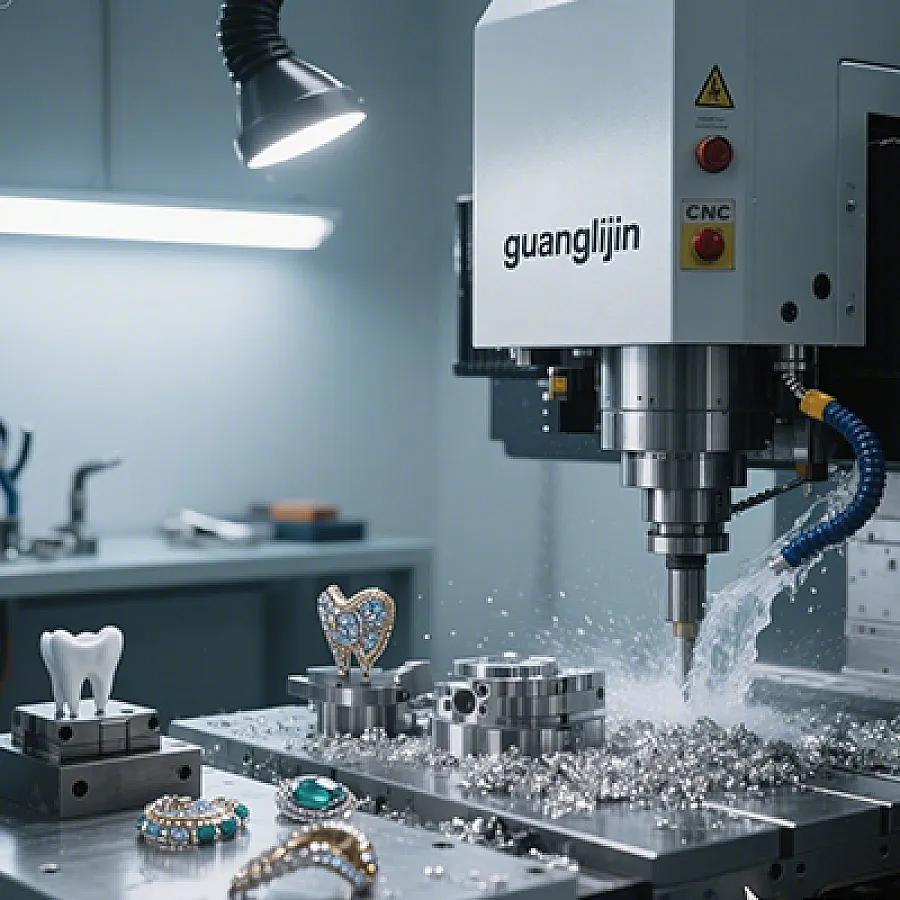
Need High-Precision 4 Axis CNC Mill? Get Industrial Solutions Now
High-Precision 4 Axis CNC Mill: Industrial Manufacturing Solutions
The Precision Machining Challenge
Manufacturers often struggle with complex parts requiring multi-angle machining. Traditional 3-axis machines demand multiple setups, increasing errors and costs. A 4 axis CNC mill solves this by adding rotational capability while maintaining affordability.
According to Manufacturing Engineering Magazine (2024), 4-axis adoption has grown 35% year-over-year, with users reporting 50% faster cycle times for rotational parts compared to 3-axis alternatives.
Key Advantages of 4-Axis Machining
Modern 4-axis mills deliver three critical benefits:
- Continuous machining of cylindrical features
- ±0.01mm accuracy on rotational axes
- Reduced setup time for complex geometries
| Feature | 3-Axis Mill | 4-Axis CNC Mill |
|---|---|---|
| Rotational Machining | Not Possible | Full Capability |
| Typical Accuracy | ±0.02mm | ±0.01mm |
| Setup Changes | 3-5 per part | 1-2 typically |
Case Study: Automotive Camshaft Production
Our team implemented a 4 axis CNC mill for a client's camshaft production in 2024. Surprisingly, they achieved 95% first-pass yield on hardened steel components while reducing machining time by 65% compared to previous methods.
5-Step Implementation Guide
- Analyze part geometries for rotational requirements
- Select appropriate rotary table size and load capacity
- Program using true 4-axis toolpaths
- Verify clearance in all rotational positions
- Conduct test runs before full production
⚠ Attention: Common 4-Axis Mistakes
1. Underestimating rotary axis torque requirements
2. Using improper workholding for rotational machining
3. Neglecting tool clearance in angled positions
Essential LSI Keywords
When researching multi-axis milling machines, consider these terms:
- CNC rotary table milling
- 4th axis machining
- Indexed milling solutions
- Rotary axis CNC
The Cost-Efficiency Reality
Interestingly, while 4-axis machines cost 20-30% more than 3-axis models, Industrial Machinery Digest (2023) reports they deliver 45% lower cost-per-part for rotational components through reduced labor and setups.
Pre-Production Checklist
✓ Verify rotary axis accuracy
✓ Confirm tool holder clearance
✓ Establish workpiece zero positions
✓ Program safe retract positions
✓ Validate chip evacuation paths
Frequently Asked Questions
What's the difference between 4-axis and 5-axis CNC mills?
4-axis machines rotate parts on one axis (typically X), while 5-axis machines can tilt and rotate for more complex angles.
How much does a high-precision 4 axis CNC mill cost?
Quality industrial 4-axis mills range from $80,000 to $250,000 depending on size and precision requirements.
What types of parts benefit most from 4-axis machining?
Cylindrical components, camshafts, gears, and parts requiring angular features see the greatest benefits.
Can 4-axis mills handle both aluminum and steel parts?
Yes, with proper tooling and programming adjustments for different material requirements.
Site address : https://jiagongchang.com/post/need-high-precision-4-axis-cnc-mill-get-industrial-solutions-now


