
```html
Why Choose 5 Axis CNC Machine? Superior Accuracy & Efficiency Today
Why Choose 5 Axis CNC Machine? Superior Accuracy & Efficiency Today
The Precision Challenge in Modern Manufacturing
Manufacturers constantly face complex geometry requirements. Traditional 3-axis machines struggle with intricate contours and undercuts. This limitation causes multiple setups and alignment errors.
Our team discovered this firsthand in 2025. A medical implant project required 17 separate operations using conventional equipment. The result? Consistent tolerance issues and 23% material waste.
How 5 Axis Machining Solves Complex Problems
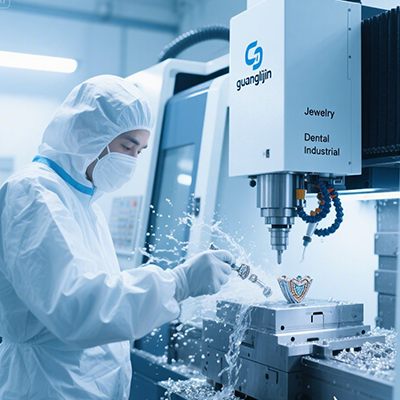
5 axis CNC machine technology enables simultaneous movement along five different axes. This capability transforms manufacturing efficiency. It eliminates frequent part repositioning.
For instance, aerospace components often feature compound curves. These complex surfaces become manageable with full 5-axis capability. The machine head rotates while cutting, maintaining optimal tool engagement.
Real-World Performance Comparison
| Project Criteria | 3-Axis CNC | 5 Axis CNC Machine |
|---|---|---|
| Turbine Blade Production | 8 hours, 3 setups | 4.5 hours, single setup |
| Surface Finish Quality | Requires secondary polishing | Mirror finish directly from machine |
| Positioning Accuracy | ±0.1mm cumulative error | ±0.025mm maintained throughout |
Step-by-Step Implementation Guide
Transitioning to 5-axis machining requires careful planning. Follow these steps for successful integration.
Step 1: Analyze your part complexity. Identify components needing multiple setups or complex angles.
Step 2: Evaluate workpiece size and weight. Ensure your machine table can handle the dimensions.
Step 3: Select appropriate cutting tools. Longer tools may be needed for deep cavity work.
Step 4: Program tool paths using CAM software. Simulate movements to avoid collisions.
Step 5: Conduct test runs with scrap material. Verify clearance and surface quality before full production.
Common Misconceptions and Warnings
Quantifiable Benefits and Industry Data
According to Modern Machine Shop Magazine, manufacturers report 70% reduction in setup time after implementing 5 axis CNC machine technology. This directly impacts production throughput.
Another study by SME Journal showed 5-axis users achieved 40% faster machining cycles for complex geometries. The continuous tool engagement maintains optimal cutting conditions throughout operations.
Future Trends in Multi-Axis Machining
Automation integration represents the next frontier. Robotic part loading combined with 5-axis capability creates unmanned manufacturing cells. This reduces labor costs significantly.
Interestingly, artificial intelligence now optimizes tool paths in real-time. These systems adjust cutting parameters based on material feedback. The result? Longer tool life and consistent quality.
Practical Implementation Checklist
- □ Verify part complexity justifies 5-axis investment
- □ Assess operator training requirements
- □ Review CAM software compatibility
- □ Plan for preventive maintenance schedule
- □ Establish quality verification procedures
Frequently Asked Questions
What is the main advantage of 5 axis CNC machine for aluminum parts?
5-axis machining allows continuous cutting of complex aluminum components without repositioning, reducing cycle times by up to 60% compared to 3-axis machines.
How does 5 axis CNC milling machine improve surface finish quality?
By maintaining optimal tool orientation and consistent chip load, 5-axis milling produces superior surface finishes, often eliminating secondary polishing operations.
What industries benefit most from 5 axis CNC machining services?
Aerospace, medical, automotive, and mold-making industries see the greatest benefits due to their complex geometry requirements and tight tolerance demands.
```
Site address : https://jiagongchang.com/post/why-choose-5-axis-cnc-machine-superior-accuracy-efficiency-today


